

Table of Contents
ToggleTrust is the foundation of charitable giving. People want to help, but they also want to know that their money is being used the right way. In recent years, many donors have become more careful about where they give. They ask questions. They look for proof. They want to feel confident that their support makes a real difference.
This shift has pushed charities to rethink how they raise funds and how they communicate with supporters. One approach that continues to grow is real-time giving. By allowing donors to see where their money is going as it is given, this model builds trust in a way traditional charity models often struggle to match.
Why traditional models can feel distant
Traditional charity fundraising often relies on indirect methods. Donors receive mailers, emails, or online ads that describe a problem and ask for help. While many of these campaigns are sincere and effective, they can also feel removed from the actual work being done.
Donors may not see the people or animals they are helping. They may wait months for an update, and even then the results can feel abstract. Financial reports and impact statements are important, but they do not always create an emotional connection.
When transparency is limited or delayed, trust can weaken, even if the organization is doing good work.
What real-time giving does differently
Real-time giving changes the experience entirely. Instead of reading about a cause after the fact, donors participate as help is happening. They see the environment. They meet the beneficiaries. They watch donations come in and see immediate reactions and results.
This approach removes many of the barriers between donor and cause. There is no guessing where the money goes because the process is visible. There is no waiting for confirmation because the impact begins right away.
Transparency is no longer a promise. It becomes an experience.
Seeing builds belief
When donors can see what they are supporting, belief comes naturally. Real-time giving allows people to witness need and response in the same moment. They can see an animal that needs medical care and then watch as funds are raised to provide it. They can hear staff explain challenges and solutions as they stand in the space where the work happens.
This visibility builds confidence. Donors feel informed rather than persuaded. They feel invited rather than pressured. This sense of honesty makes people more comfortable giving and more likely to give again.
Real-time giving creates accountability
Transparency also creates accountability. When fundraising happens live, organizations are accountable in the moment. They explain what funds are needed and how they will be used. They answer questions as they arise. There is little room for vague language or hidden details.
This level of openness signals respect for donors. It shows that the organization values trust and understands that trust must be earned. When donors feel respected, they respond with loyalty and long-term support.
Emotional connection strengthens trust
Trust is not built on facts alone. It is built on connection. Real-time giving combines transparency with emotion, which creates a powerful bond between donors and the cause.
Seeing faces, hearing voices, and watching real situations unfold makes the experience personal. Donors feel like participants rather than observers. This emotional investment deepens trust because people trust what they feel connected to.
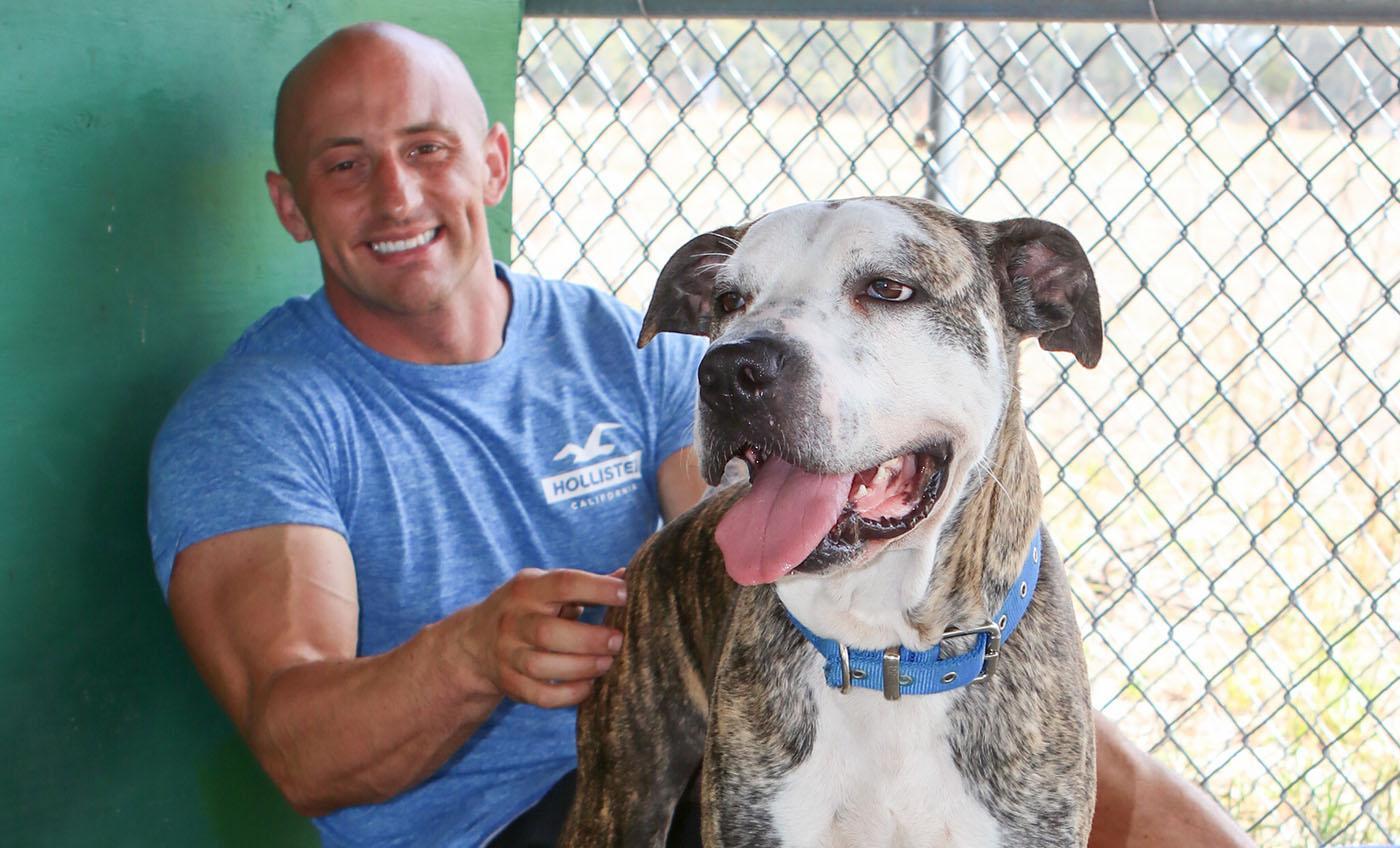
Jordan’s Way uses this approach by fundraising live from animal shelters and introducing animals by name. By showing exactly where donations go and who they help, the organization helps donors feel confident and involved rather than distant.
Speed reinforces credibility
Another important element of real-time giving is speed. Donations often go directly to the cause within hours. Needs are met quickly, and donors can see that speed in action.
Fast response builds credibility. It shows that the organization is efficient and focused on impact rather than process. Donors appreciate knowing that their money is not sitting idle or lost in layers of administration.
This efficiency reinforces trust and encourages repeat giving.
Transparency meets modern expectations
Today’s donors are more informed and more skeptical. They expect transparency in many areas of life, from product sourcing to financial services. Charitable giving is no exception.
Real-time giving aligns with these expectations. It provides clarity, openness, and immediate feedback. It answers questions before they are asked. This alignment makes donors feel comfortable and confident in their decision to give.
Organizations that embrace transparency are better positioned to build lasting relationships with supporters.
Trust leads to community
When donors trust an organization, they do more than give money. They share stories. They encourage others to help. They become advocates.
Real-time giving fosters this sense of community because people experience the journey together. They see progress unfold and feel connected to others who care. This shared experience strengthens loyalty and expands reach.
Jordan’s Way has seen supporters return repeatedly because they trust what they see and feel connected to the mission. That trust becomes the foundation for a growing community of advocates.
The future of giving is visible
As the nonprofit world continues to evolve, transparency will play an even larger role. Donors will continue to demand openness, clarity, and proof of impact. Real-time giving offers a model that meets those demands while also creating meaningful connections.
This approach does not replace all traditional methods, but it sets a new standard for trust. It reminds organizations that showing the work matters just as much as doing the work.
When donors can see impact as it happens, trust grows naturally. In a world where trust is hard to earn, real-time giving proves that transparency is not just powerful. It is essential.


