

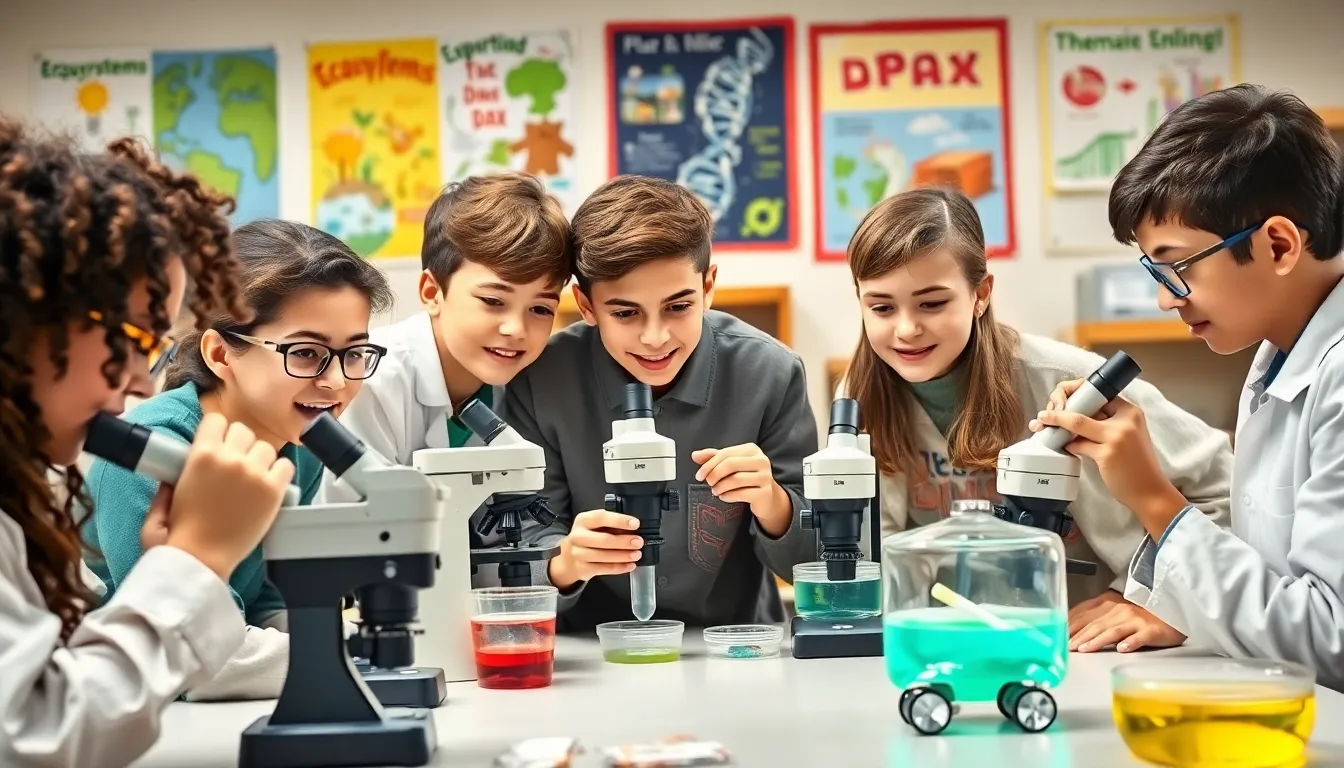
Biology lessons are more than just memorizing the parts of a cell or the life cycle of a frog. They’re the keys to understanding the world around us, from the tiniest microorganisms to the vast ecosystems that sustain life. Imagine diving into the fascinating realm of DNA, where every twist and turn reveals secrets about what makes us tick—literally!
Importance Of Biology Lessons
Biology lessons play a crucial role in developing critical thinking skills. They encourage students to analyze information, formulate hypotheses, and conduct experiments. Understanding biological concepts can foster a deeper appreciation for life and the environment.
Knowledge of biology is vital for future careers in multiple fields. Medicine, environmental science, and biotechnology are just a few industries heavily reliant on biological insights. Students equipped with this knowledge can pursue various professional opportunities.
Comprehending ecosystems promotes awareness of environmental issues. Biology lessons help individuals understand the interconnections between organisms and their habitats. This awareness can lead to informed decisions regarding conservation and sustainable practices.
Additionally, studying genetics, including DNA structures and functions, reveals significant aspects of heredity and variation. The exploration of genetic principles can explain how traits are passed from one generation to the next. This understanding is central to advancements in medicine and agriculture.
Encouraging curiosity about life sciences typically leads to a lifelong interest in biology. Students who engage with biological concepts are more likely to seek additional knowledge, participate in scientific discussions, and contribute to research initiatives.
Lastly, biology lessons serve as a foundation for interdisciplinary studies. Knowledge in biology complements subjects like chemistry, physics, and environmental studies. This cross-disciplinary approach enhances overall comprehension of scientific phenomena.
Types Of Biology Lessons
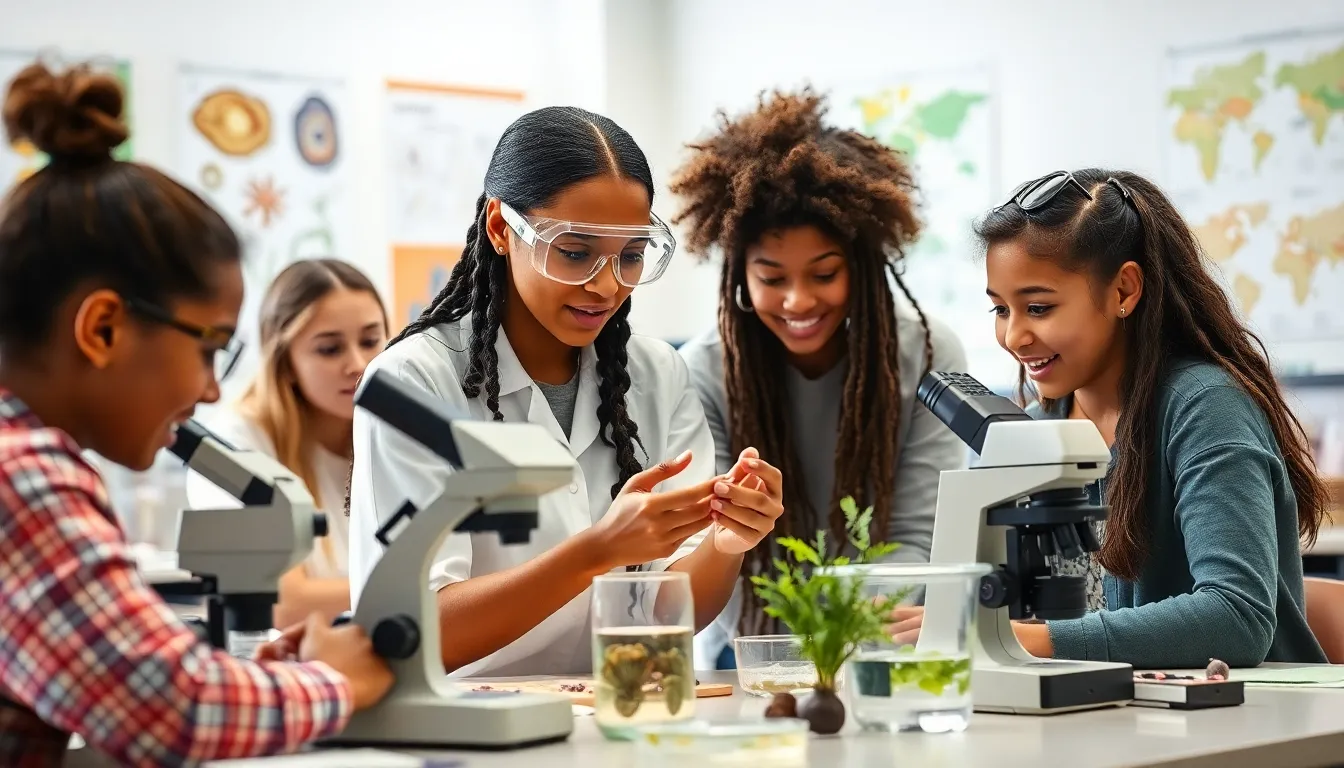
Biology lessons encompass various teaching methods that enhance understanding and engagement with the subject matter. Different approaches cater to diverse learning styles and objectives.
Lecture-Based Lessons
Lecture-based lessons serve as a traditional method for conveying biological concepts. Instructors present material systematically, often using visual aids such as slides or diagrams. These lessons cover topics like cellular structures, genetic principles, and ecological dynamics. Students benefit from structured information, which provides a foundational understanding of life sciences. Discussions during these sessions also allow for clarification and deeper insight into complex ideas.
Interactive Lessons
Interactive lessons promote active participation and experiential learning. Through group activities, students might conduct experiments or solve problems collaboratively. Incorporating technology, educators may use virtual labs or simulations to demonstrate biological processes. Engagement in these formats enhances critical thinking and retention of knowledge. Peer discussions encourage students to articulate their understanding, fostering a supportive learning environment.
Field Study Lessons
Field study lessons immerse students in real-world biological contexts. These experiences may occur in natural habitats, laboratories, or research facilities. Directed efforts such as plant identification or wildlife observation connect theoretical knowledge to practical application. In the field, students gain hands-on experience that cultivates observation skills and critical analysis. Such lessons often inspire curiosity about ecological relationships and biodiversity.
Teaching Methods In Biology
Teaching methods in biology encompass various strategies that enhance engagement and understanding. Effective techniques include hands-on experiments and multimedia tools that enrich the learning experience.
Hands-On Experiments
Hands-on experiments capture students’ attention and deepen comprehension of biological concepts. They enable students to engage directly with processes such as photosynthesis or cellular respiration. Through lab activities, learners observe phenomena firsthand and appreciate the scientific method. Such experiences foster inquiry and critical thinking. Notably, students practicing dissections apply knowledge about anatomy and physiology in tangible ways. They develop essential skills such as teamwork and problem-solving in collaborative settings.
Multimedia Tools
Utilizing multimedia tools transforms the classroom experience in biology. Resources like videos, interactive simulations, and educational apps facilitate complex concepts’ understanding. Engaging animations can illustrate processes, making them accessible and relatable. Furthermore, virtual labs allow students to conduct experiments remotely, bridging the gap between theory and practice. These tools support varied learning styles. Incorporating podcasts and infographics can also reinforce lessons, ensuring that key ideas are communicated effectively. Enhanced visualization through multimedia keeps students motivated and inquisitive about biology.
Challenges In Teaching Biology
Teaching biology presents unique challenges that educators must navigate to ensure effective learning experiences. Understanding the intricacies of student engagement and resource availability can enhance the teaching process.
Student Engagement
Captivating students in biology lessons often proves challenging. Diverse learning styles require educators to adopt various teaching methods. Some students thrive in traditional lecture formats, while others respond better to hands-on activities. Implementing interactive lessons that encourage collaboration fosters a deeper connection with the material. Recognizing students’ interests can enhance engagement. Relating biological concepts to real-life applications often sparks curiosity and enthusiasm about topics such as genetics or ecology. Tailoring lessons based on feedback ensures that educators address concerns and interests, leading to improved learning outcomes.
Resource Availability
Access to quality resources poses significant challenges in biology education. Not every classroom is equipped with advanced lab facilities or up-to-date technology. Limited access to interactive software or biological specimens can hinder the exploration of complex topics. Educators often rely on creativity to maximize available resources. Utilizing online platforms can supplement traditional materials by offering virtual labs or simulations. Partnering with local organizations may provide additional field study opportunities and resources. Maintaining a focus on resourcefulness can mitigate issues, allowing educators to create engaging and informative lessons even in resource-limited environments.
Biology lessons are vital for nurturing a comprehensive understanding of life and its myriad complexities. They empower students to think critically and engage with real-world issues, fostering a sense of responsibility towards the environment. By incorporating diverse teaching methods and hands-on experiences, educators can spark curiosity and sustain interest in the life sciences. This approach not only enhances learning but also prepares students for future careers in various fields. Emphasizing the interconnectedness of organisms and their habitats encourages informed decision-making, ultimately contributing to a more sustainable future. Engaging with biology is more than just academic; it’s a pathway to understanding the world and its intricate systems.


