

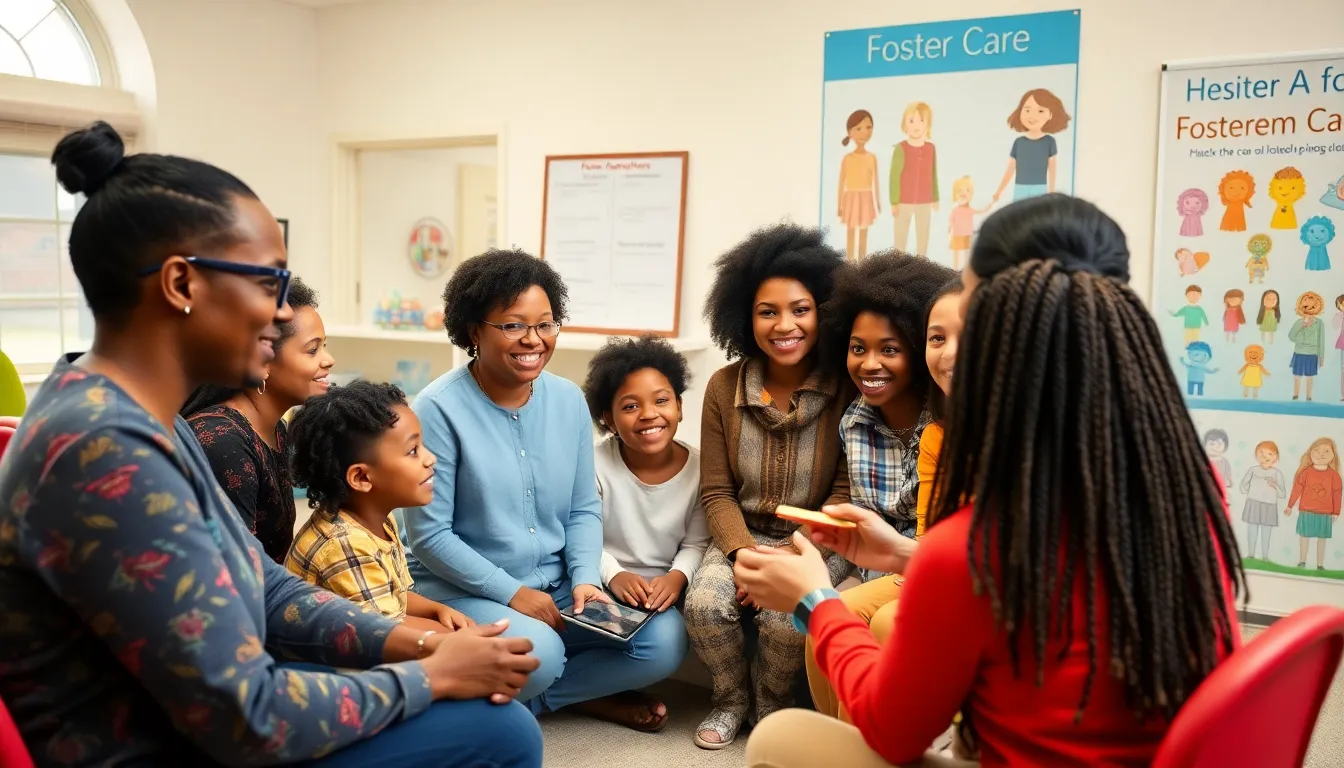
Navigating the world of foster care can feel like trying to assemble IKEA furniture without the instructions. It’s a challenge, but with the right support services, families can transform chaos into connection. Foster family support services offer a lifeline, providing guidance, resources, and a community that understands the unique journey of fostering.
Imagine having a team of experts by your side, ready to tackle everything from paperwork to parenting tips. These services don’t just help families survive; they help them thrive, turning potential hurdles into stepping stones. With the right support, foster families can create loving homes where children flourish and laughter reigns. So, let’s dive into how these services can make a difference, one heartfelt moment at a time.
Overview of Foster Family Support Services
Foster family support services play a crucial role in assisting families involved in the foster care system. These services offer training programs that equip foster parents with effective parenting techniques and strategies. Access to counseling services available for parents and children addresses emotional challenges associated with fostering.
Additionally, support groups provide a community for sharing experiences and resources. Networking with other foster families helps alleviate feelings of isolation. Organizations often facilitate events that encourage social connections, allowing families to build strong relationships.
Resources such as financial assistance help mitigate the costs associated with fostering. This financial support can cover necessities like clothing, medical care, and educational expenses. The availability of respite care allows foster parents time to recharge, ensuring they remain effective caregivers.
Foster family support services also include advocacy resources that help navigate legal and administrative systems. Knowledge about rights and responsibilities empowers families to make informed decisions. By connecting families with professionals, these services streamline access to additional resources, such as healthcare services and educational assistance.
Overall, foster family support services create a foundation where families can thrive in their roles. Strengthening family dynamics supports children’s development and enhances overall well-being. The focus remains on creating stable, nurturing environments that enable children to flourish in their foster care journeys.
Importance of Foster Family Support Services

Foster family support services play a critical role in creating a nurturing environment for children in care. These services contribute significantly to the well-being of both children and their caregivers.
Promoting Stability for Foster Children
Stability is essential for foster children’s development. Support services help to ensure consistent placements by equipping foster families with necessary resources. Training programs prepare caregivers to address the unique needs of each child. Access to counseling provides emotional support, helping children cope with trauma. Support groups foster connections between caregivers, allowing them to share experiences and strategies. Additionally, networking opportunities enable families to build relationships that promote healthy attachments. Financial assistance covers basics like clothing and medical care, reducing stress for caregivers. Overall, these services create an environment where children feel secure and valued.
Enhancing Caregiver Well-Being
Caregiver well-being is vital for maintaining a positive foster care experience. Support services offer respite care, allowing caregivers essential time to recharge. Programs that provide emotional guidance help adults navigate the challenges of fostering. Training equips caregivers with effective parenting strategies, reducing feelings of overwhelm. Peer support groups create a sense of community, helping caregivers feel less isolated in their journey. Access to resources such as financial aid also alleviates stressors related to caregiving. Enhanced well-being among foster families translates to better emotional support for children, fostering trust and growth within the home.
Key Components of Foster Family Support Services
Foster family support services consist of various essential components that help families navigate challenges effectively. Each aspect plays a critical role in promoting well-being and stability for both the children and caregivers.
Training and Resources for Foster Families
Effective training programs equip foster families with vital parenting skills and techniques. Access to comprehensive resources enhances understanding of child development and trauma-informed care. Workshops and seminars, led by experts, provide practical approaches for managing everyday situations. Furthermore, foster parents benefit from written materials and online modules that reinforce learning and offer ongoing education. Consistent updates on best practices ensure families stay informed and prepared for the unique challenges they may encounter.
Counseling and Psychological Support
Counseling services target the emotional needs of both foster children and caregivers. Trained professionals offer therapeutic support to address trauma and emotional distress. Individual sessions provide a safe space for children to express feelings, while group therapy fosters connection among peers. Meanwhile, caregivers receive guidance to manage stress and build resilience, ultimately enhancing their ability to support their children. This holistic approach promotes emotional healing and strengthens family dynamics, ensuring a nurturing environment for growth and development.
Challenges Faced by Foster Families
Foster families encounter various challenges that can impact their caregiving experience. These hurdles require the right strategies and resources to navigate effectively.
Navigating Emotional and Behavioral Issues
Emotional and behavioral issues frequently arise among foster children due to past trauma. Understanding these challenges is essential for caregivers. They often see anxiety, depression, and attachment difficulties manifest in behaviors that require patience and skill to address. Specialized training equips foster parents to manage these complexities effectively. Accessing counseling services also provides additional support, creating a safe space for children to express feelings. Coordinated efforts among caregivers and mental health professionals help address children’s unique needs, ensuring a nurturing and responsive environment.
Accessing Financial Resources
Financial stress poses a significant hurdle for many foster families. Meeting the basic needs of children, including clothing and medical care, can strain budgets. Numerous resources exist to assist families, such as government subsidies and non-profit organizations. These financial support services can alleviate some burdens, making a noticeable difference in daily life. Various programs also provide assistance tailored to specific needs, ensuring families can focus on providing a stable home. Being informed about available financial resources enables families to secure necessary support, promoting overall well-being for both caregivers and children.
Innovations in Foster Family Support Services
Innovative approaches enhance foster family support services, ensuring families receive necessary resources and guidance.
Technology Integration in Support Programs
Technology plays a crucial role in modernizing support for foster families. Mobile applications connect families with resources, allowing them to access information quickly. Online training modules provide flexible learning opportunities, accommodating various schedules. Virtual support groups foster meaningful connections, helping families share experiences no matter their location. Data analytics identifies needs and helps organizations tailor services, leading to better outcomes for families. Technology not only streamlines communication but also creates a platform for ongoing learning.
Community-Based Initiatives
Community engagement strengthens support systems for foster families. Local organizations offer neighborhood-based resources, making services more accessible. Collaborative partnerships between schools, healthcare providers, and social services provide a network of support that addresses diverse needs. Events and workshops foster connections among families, building a sense of belonging and reducing isolation. Volunteers contribute time and expertise, enriching the lives of foster children and families alike. These grassroots efforts create a nurturing environment that empowers families to thrive.
Foster family support services play a vital role in transforming the foster care experience. By providing essential resources and community connections, these services empower families to navigate challenges effectively. With training programs and counseling, foster parents gain the skills needed to create nurturing environments for children.
Access to financial assistance and respite care alleviates stress, allowing caregivers to focus on their children’s needs. Innovations like mobile applications and online training further enhance support, making resources more accessible than ever. Ultimately, a strong support system not only benefits foster families but also promotes the stability and well-being of foster children.