

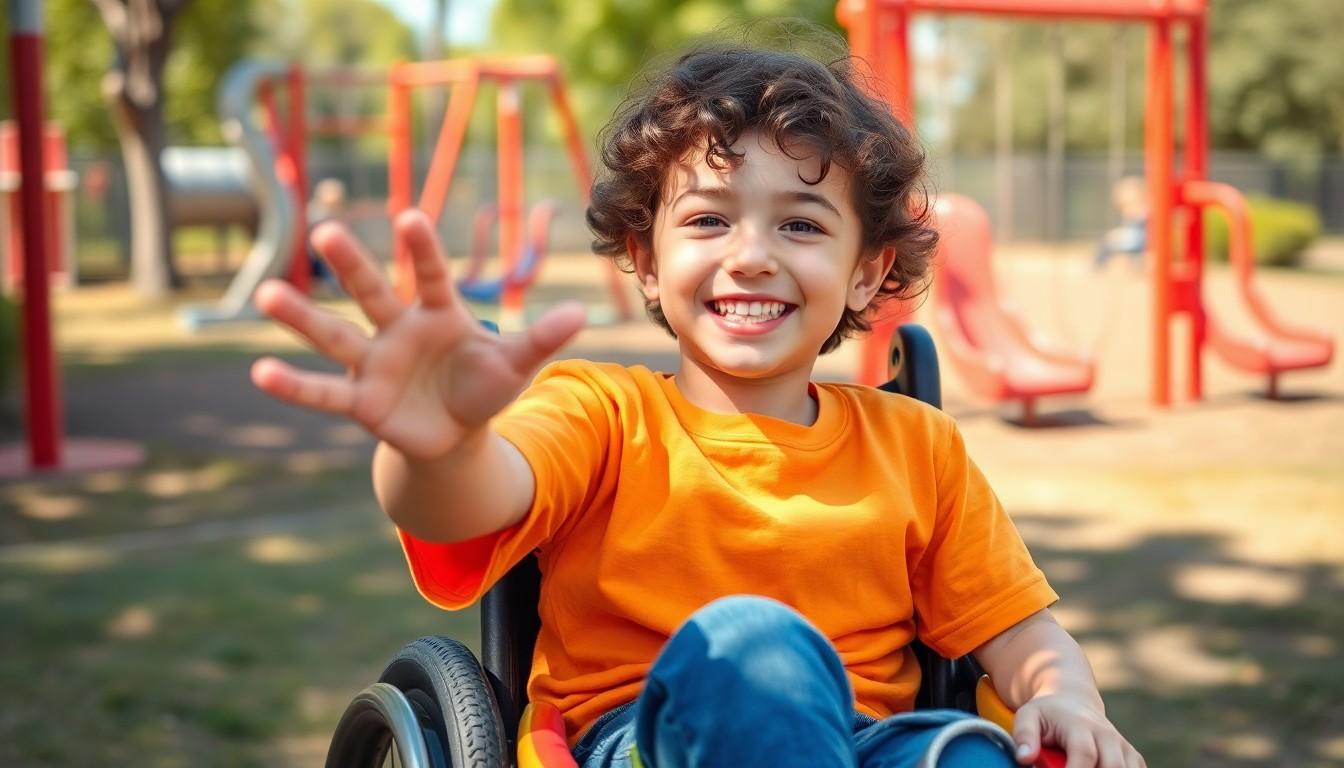
Navigating life in a wheelchair comes with its own unique set of challenges and adventures, especially for kids with special needs. Picture this: a young superhero zooming around in their trusty wheelchair, ready to conquer the world one ramp at a time. While society often focuses on limitations, it’s time to flip the script and celebrate the extraordinary resilience and creativity these kids bring to the table.
Understanding Special Needs Kids
Recognizing the diverse needs of special needs kids is essential. These children exhibit various abilities and challenges, frequently requiring support in daily activities.
Definition and Types of Special Needs
Special needs encompass a broad spectrum of conditions. These conditions may include physical disabilities, cognitive impairments, emotional disturbances, and developmental delays. Examples of physical disabilities are cerebral palsy and muscular dystrophy. Autism spectrum disorder and intellectual disabilities fall under cognitive impairments. Emotional disturbances might involve anxiety disorders or attention deficit hyperactivity disorder. Each type of special need demands tailored approaches to education, socialization, and care.
Common Challenges Faced
Many common challenges affect special needs kids. Accessibility often poses significant hurdles, with physical environments not accommodating wheelchairs or other assistive devices. Navigating social interactions can lead to feelings of isolation or misunderstanding among peers. Communication barriers frequently occur, making it difficult for children to express their thoughts and emotions. Moreover, educational settings may lack appropriate resources, hindering learning opportunities. Addressing these challenges requires collaboration among families, educators, and healthcare professionals.
Importance of Inclusivity

Inclusivity plays a crucial role in the development of children with special needs in wheelchairs. Embracing diversity fosters understanding and acceptance within communities.
Benefits of Inclusion in Society
Inclusion enhances social skills, encouraging interactions among children with and without disabilities. Engaging with peers exposes special needs kids to diverse perspectives. Enhanced self-esteem often emerges from feeling valued and accepted in various settings. Strengthening friendships contributes to emotional well-being and supports personal growth. Studies confirm that inclusive practices improve academic performance, providing these children with equal opportunities to succeed.
Creating Supportive Environments
Creating supportive environments requires intentional efforts from families and communities. Accessibility in schools and public spaces ensures that all children can participate fully. Encouraging collaboration among teachers and specialists tailors educational approaches to meet specific needs. Providing resources and training aids educators, empowering them to embrace inclusivity effectively. Celebrating diverse abilities transforms perceptions, fostering a community that values every child’s contributions.
Mobility Challenges for Kids in Wheelchairs
Mobility challenges create significant hurdles for kids in wheelchairs. These difficulties impact daily life and interactions with others.
Physical Barriers in Daily Life
Physical barriers hinder children’s independence and access. Curbs, stairs, and narrow doorways often present obstacles in public spaces. Buildings lacking ramps or accessible restrooms further complicate their experiences. They may require assistance to navigate environments designed without inclusivity in mind. Uneven sidewalks or potholes can pose safety risks, making outings challenging. Moreover, the absence of adaptive equipment at home can limit participation in activities. Ensuring accessibility in schools and playgrounds remains essential for promoting autonomy.
Emotional and Social Impacts
Emotional and social impacts arise significantly for kids in wheelchairs. Feelings of isolation or frustration frequently accompany physical limitations. Peer interactions may become strained, especially in environments where acceptance wanes. Children might face bullying or misunderstanding, contributing to anxiety or low self-esteem. Establishing friendships with peers could prove difficult, particularly if there’s a lack of awareness about disabilities. Supportive communities and inclusive programs can help foster connections. Enhanced social skills and emotional growth manifest when children share experiences regardless of their abilities.
Adaptive Equipment and Technologies
Adaptive equipment and technologies enhance the lives of children with special needs in wheelchairs, promoting independence and engagement in everyday activities. These tools play a vital role in helping kids connect with their peers and participate fully in various environments.
Types of Wheelchairs for Kids
Several types of wheelchairs cater specifically to children with unique needs. Manual wheelchairs require physical effort to propel forward, fostering independence and exercise. Powered wheelchairs, on the other hand, utilize battery-operated controls, allowing for easier mobility, particularly for those with limited upper body strength. Growth-adjustable models accommodate physical changes as children grow, extending the lifespan of the wheelchair. Specialized pediatric designs address specific medical conditions, providing support and comfort tailored to each child’s requirements.
Innovative Tools and Aids
Innovative tools and aids significantly improve daily experiences for children in wheelchairs. Adaptive seating systems offer postural support and improve comfort, making activities more enjoyable. Transfer boards assist with safe movement between surfaces, promoting independence during transitions. Assistive technology devices, like communication aids, facilitate better interaction and expression, bridging gaps in social engagement. Lightweight ramps enhance accessibility, allowing children to navigate different environments more easily. These innovations not only enhance mobility but also encourage participation in recreational activities, supporting a more inclusive lifestyle.
Support Networks and Resources
Support networks play a crucial role in ensuring children with special needs who use wheelchairs can thrive. Families and caregivers often seek out resources that provide guidance and assistance.
Family and Caregiver Support
Family support forms the backbone of stability for children in wheelchairs. Parents often connect with other families facing similar challenges, sharing experiences and advice. Local support groups frequently offer a safe environment for discussing issues like emotional stress and caregiver burnout. Online forums also connect families across distances, allowing for broader communities and shared resources. In addition, respite care services provide relief to primary caregivers, ensuring they maintain their well-being while supporting their child’s needs.
Community Organizations and Programs
Community organizations offer vital resources to assist children with special needs. Many non-profits provide programs focused on inclusivity, helping kids engage in recreational activities together. Adaptive sports leagues promote physical fitness while fostering teamwork among participants. Local therapy programs often include accessible resources tailored to specific challenges. Educational workshops hosted by community centers provide families with strategies to enhance their child’s independence, equipping them with necessary skills. Support can come in many forms, ensuring that children in wheelchairs feel integrated within their communities.
Conclusion
Embracing the journey of children with special needs in wheelchairs reveals their remarkable strength and spirit. By focusing on their abilities rather than limitations, communities can foster an environment that encourages growth and inclusion.
Support networks play a vital role in enhancing their quality of life, providing resources and connections that empower both children and families. With innovative adaptive technologies and a commitment to inclusivity, society can help these young superheroes thrive.
Every child’s unique journey deserves recognition and celebration, paving the way for a future where diversity is embraced and valued.