

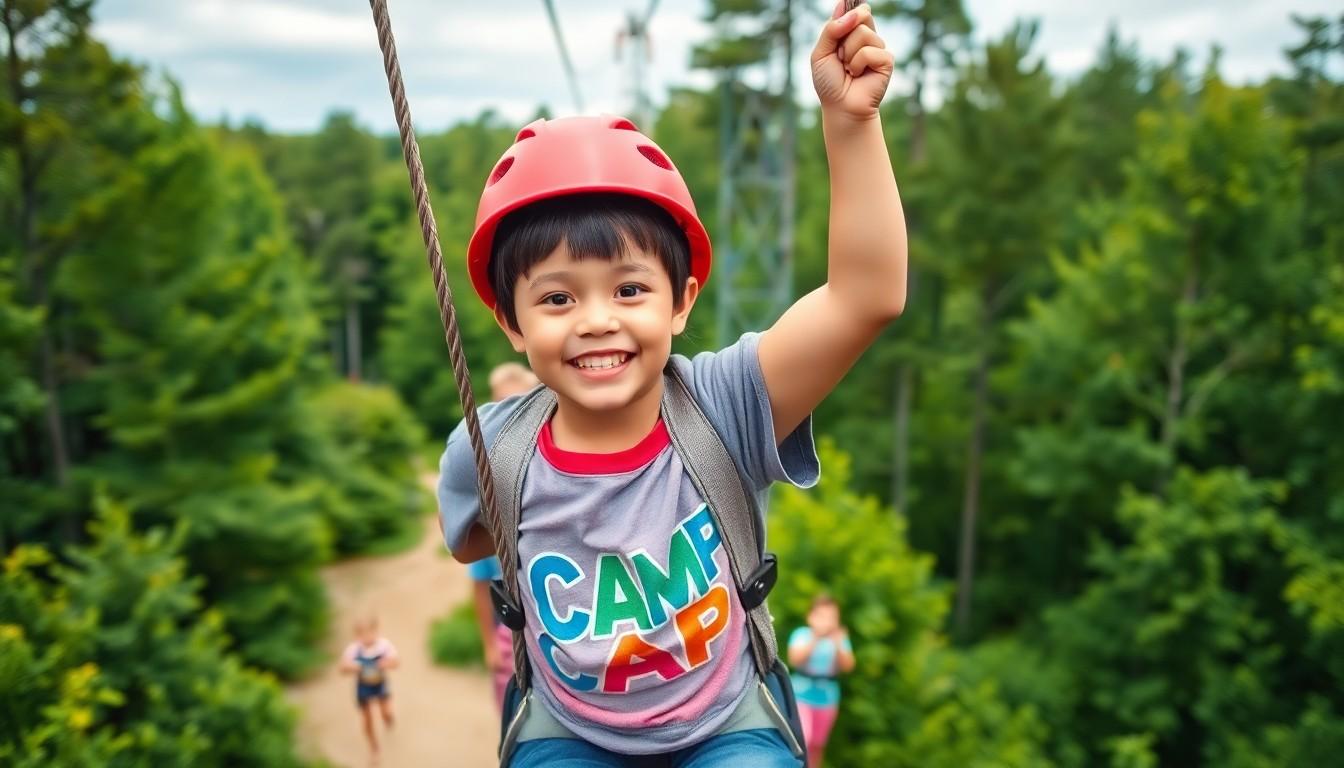
Imagine a place where laughter echoes through the trees and friendships blossom like wildflowers. Special needs camps aren’t just about fun; they’re a magical escape that nurtures growth, independence, and confidence. Picture kids conquering zip lines, mastering archery, or simply roasting marshmallows—all while surrounded by a supportive community that understands their unique needs.
These camps offer more than just activities; they create an inclusive environment where every child can shine. With tailored programs designed by experts, campers discover their strengths and build lasting memories. So, if you’re looking for a summer adventure that combines joy, learning, and a sprinkle of mischief, special needs camps might just be the perfect fit. After all, who wouldn’t want to trade their living room for a lakeside view and a chance to be a superhero for the summer?
Overview of Special Needs Camps
Special needs camps cater to children with various challenges, focusing on their individual strengths and fostering personal growth. Designed to be inclusive, these camps provide tailored programs that address each child’s unique requirements. Activities like zip lining and archery promote skill development while encouraging teamwork and social interaction.
Facilities at special needs camps often feature specialized equipment and trained staff. Provisions may include adaptive sports gear, sensory-friendly spaces, and therapists on-site. A supportive community of peers and mentors enhances the camping experience, ensuring every child feels accepted and valued.
Social skills development stands as a primary objective in these camps. Campers work on building relationships, boosting self-esteem, and navigating challenges in a safe environment. Many activities are structured to encourage communication and collaboration, essential for fostering a sense of belonging.
Safety remains a paramount concern. Camps typically adhere to strict guidelines and employ trained personnel to support campers effectively. First aid and emergency protocols are in place, allowing families to feel confident when sending their children to a camp designed for their specific needs.
Ultimately, special needs camps provide an enriching environment where children can experience adventure, form friendships, and create lasting memories. They offer a perfect balance of fun and learning that supports each camper’s journey towards greater independence and confidence.
Types of Special Needs Camps

Special needs camps encompass various formats catering to different preferences and requirements. Each type focuses on providing enriching experiences tailored to children’s individual needs.
Day Camps
Day camps operate during the daylight hours, typically providing structured activities while children return home at night. These camps offer an ideal environment for social interaction, skill-building, and fun without the commitment of overnight stays. Activities range from art projects to sports, with trained staff ensuring safety and support throughout the day. Families benefit from day camps, as they allow children to engage in enriching experiences during the summer while maintaining a familiar home routine.
Residential Camps
Residential camps offer immersive experiences, where children stay overnight for a set duration. These camps foster independence and self-confidence by enabling campers to navigate daily routines away from home. Residential programs include a range of activities such as outdoor adventures, arts and crafts, and team sports, all within a nurturing environment. Trained staff provide supervision and guidance, creating a secure atmosphere for campers to develop friendships and life skills. Families often appreciate the unique benefits of residential camps, as the extended duration of the experience promotes deeper learning and personal growth.
Benefits of Attending a Special Needs Camp
Special needs camps provide numerous benefits, focusing on growth, skill development, and community. These camps create an environment where campers thrive.
Social Skills Development
Social skills development serves as a core component of special needs camps. Participants engage in structured activities that encourage teamwork, communication, and friendship. Children learn to interact with peers in a supportive atmosphere, which reduces anxiety associated with social interactions. Campers practice sharing, taking turns, and resolving conflicts, enhancing their ability to navigate social situations effectively. A focus on building relationships boosts self-esteem, making it easier for children to forge connections outside the camp environment. This newfound confidence translates to everyday life, further enriching their interactions.
Independence and Confidence Building
Independence and confidence building emerge as primary goals at special needs camps. Campers experience daily routines that cultivate responsibility and self-sufficiency. Structured activities empower children to take charge, whether managing personal belongings or participating in group tasks. As they tackle challenges, children develop resilience, learning to overcome obstacles. This environment fosters a sense of achievement, encouraging children to embrace their abilities. With supportive staff guiding them, participants discover new skills and interests, contributing to greater self-assurance. The ability to thrive independently positively impacts their long-term personal growth and development.
Choosing the Right Special Needs Camp
Selecting the right special needs camp requires careful consideration of various factors. Many families find it beneficial to evaluate their child’s specific needs and preferences.
Factors to Consider
Age appropriateness plays a crucial role in finding the right camp. Camps often design programs tailored for specific age groups to ensure relevant activities. Location is significant as well, with accessibility affecting travel ease. Additionally, staff qualifications matter significantly because trained personnel can provide the support required for diverse needs. Activity offerings also differ from camp to camp; confirming they align with the child’s interests can enhance the overall experience. Furthermore, safety protocols should never be overlooked, as these provide peace of mind.
Questions to Ask
Asking about staff-to-camper ratios can clarify how much individualized attention each child receives. Questions regarding the types of activities provided are essential; they reveal how a camp fosters growth and socialization. Inquiring about communication methods for updates while children are at camp helps keep families informed. Exploring the camp’s approach to behavioral challenges may indicate how well staff manage various situations. Finally, understanding the assessment processes for camper needs ensures tailored support throughout their stay.
Conclusion
Special needs camps provide a unique opportunity for children to thrive in a nurturing environment. By focusing on individual strengths and fostering independence, these camps empower campers to build confidence and develop essential social skills. The supportive community and tailored activities create lasting memories that resonate far beyond the camp experience.
Choosing the right camp is crucial for maximizing these benefits. Families should consider various factors to ensure a perfect fit for their child’s needs. With the right camp experience, children not only enjoy fun and adventure but also embark on a transformative journey toward personal growth and resilience. Special needs camps truly offer a remarkable blend of joy, learning, and self-discovery.